Bastar (Chhattisgarh) is one of the most underrated tourism circuits in India. It is as raw and humbling as a travel experience can get. To the discerning traveler, the region provides a plethora of experiences, which include but is not limited to: typical sightseeing checklists, waterfall hopping, exploring limestone caves, spending time in tribal markets, witnessing tribal festivals and understanding the sacred bond between humans and forests.
There are however a few misconceptions that surround travel to Bastar and Dandakaranya region. This Bastar Chhattisgarh travel guide will dispel some.
“Whether you are travelling solo or with family and friends, Bastar is a great choice! Just remember to be respectful at all times...”
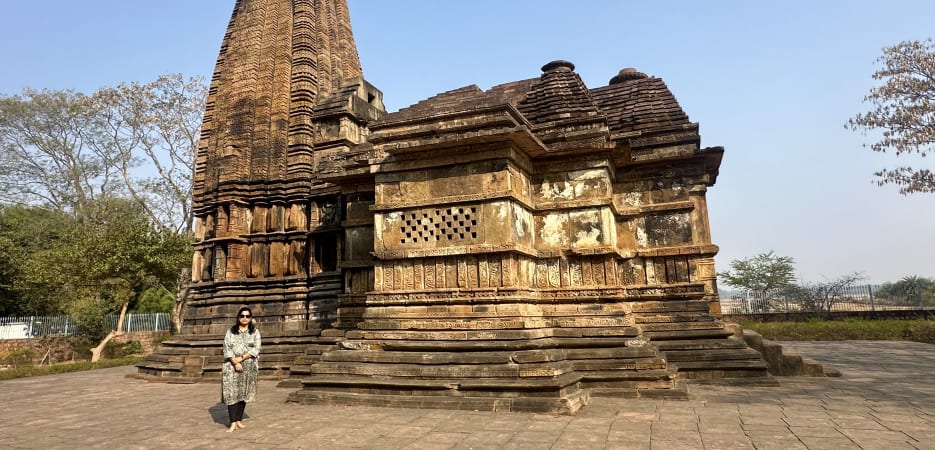
Narayanpal temple, an 11th century shrine dedicated to Lord Vishnu
Bastar Chhattisgarh Travel Guide
Bastar at a glance
Location: Southern Chhattisgarh
Best Time to Visit: August to March (yes, that’s a wide window!)
Ideal Duration: 4–7 Days
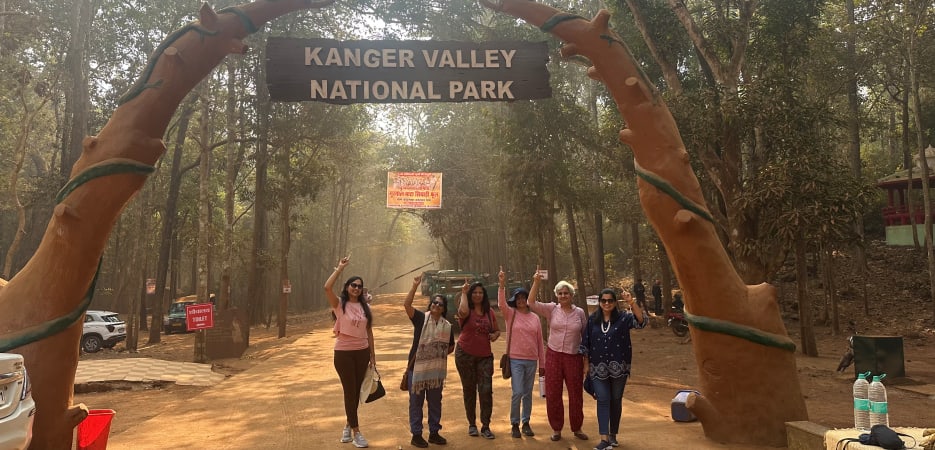
Places to visit: Indigenous tribal culture, Chitrakote and Tirathgarh waterfalls, Dhokra metal craft and Terracotta art (Artisan Villages of Kondagaon & Kumharpara), Kanger Valley National Park, Jagdalpur City and Bastar Palace.
Accommodation: Eco-resorts, government tourism lodges, and tribal homestays.
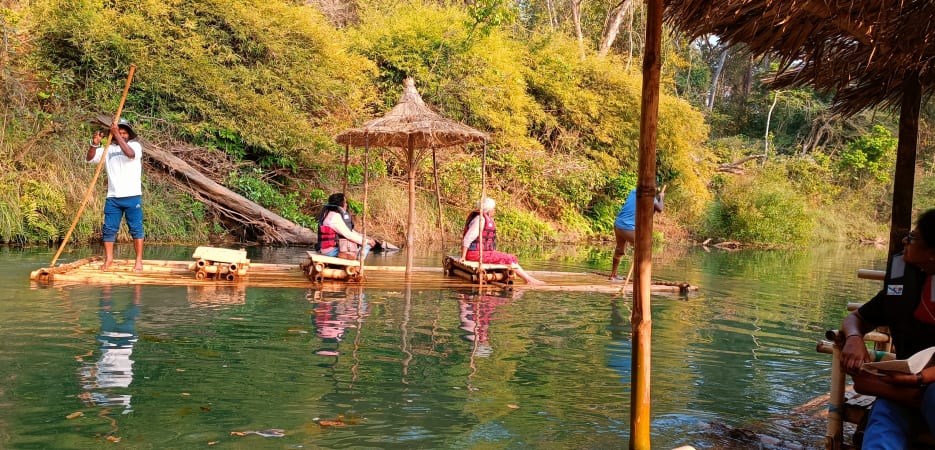
F5ers on a bamboo raft at Bastar
Travelling to Bastar Chhattisgarh: Logistics
Nearest Airport: Jagdalpur is the district headquarters of Bastar and has a commercial airport (JGB). It is connected to Hyderabad (HYD) by daily flights.
During monsoons, there may be disruptions to this daily service and during that period, Raipur airport (RPR) provides the primary connectivity to Bastar. Raipur is the capital of Chhattisgarh state and is well connected to major metros across the country.
Train / Bus connectivity: Jagdalpur is well connected to Raipur and Visakhapatnam by trains and by road. Both Raipur and Visakhapatnam are 300 kms away from Jagdalpur (in two different directions though!). The rail route between Jagdalpur and Visakhapatnam is scenic and passes through Araku valley, a famous tourist destination.
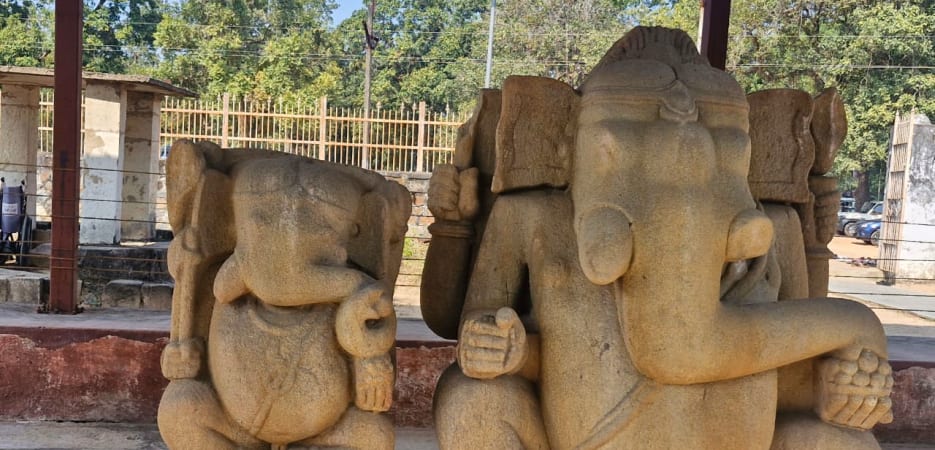
Twin Ganesha at Barsur
Enjoying different seasons in Bastar
Bastar Monsoon: August-September
August-September is the best time to experience the beauty of monsoons in Bastar. The Chitrakote waterfall is the highlight during this season. The river swells and feeds the widest waterfall in India, making it a breathtaking spectacle. August is also the off season and the crowds are relatively lesser, compared to Dusshera and year end.
Bastar Dussehra: October
When October arrives, it brings with it, the jubilant vibes of the longest festival in the world – the 75-day Bastar Dussehra!
Bastar Dussehra has no connection to the Ram-Raavan story. Rather, this 15th century festival has its own folklore, centred around their KulDevi, Goddess Danteshwari. Various tribal communities in Bastar come together to pull off this grand event. Each community brings along their own tribal custom and tribal deities, who also participate in the Rath Yatra procession, along with Ma Danteshwari. Bastar Dushera is truly a spectacle to be witnessed.
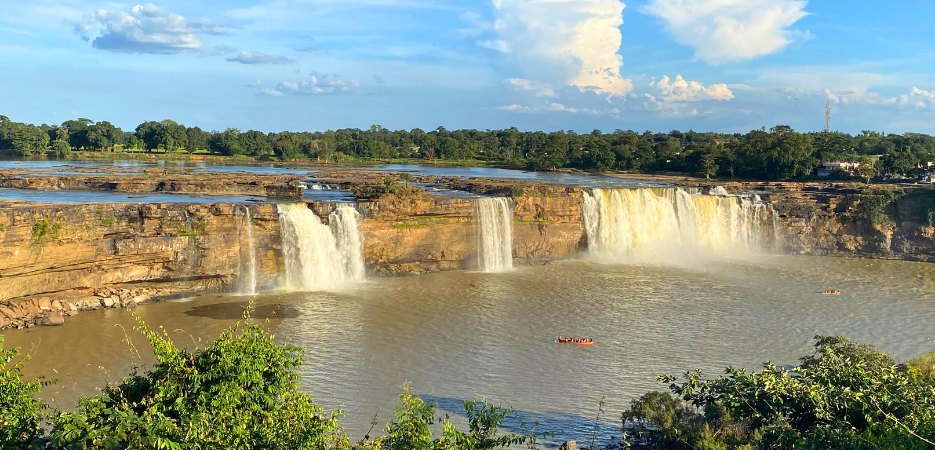
Chitrakote waterfalls, Bastar
Bastar tourism peak season: November-December
The year end, November and December, marks the peak season for tourism – the Chitrakote waterfall has moderate flow, making it possible for boats to take travellers right under the waterfall! Tiratgarh falls has enough water to splash and play around. The Kanger river has calmed down, making Bamboo river rafting possible. With the flood waters receding, the limestone caves such as Kotumsar and Kailash Caves are open for exploration again.
For our Bastar women group trip, we usually plan it in December and January and also during the Bastar Dussehra celebrations.
Bastar’s mild winter travels: January-March
The first quarter of the year, January-March, continues to have pleasant weather.
Tribal Heritage of Bastar, Caving, Bamboo rafting, tribal culture experiences continue to be sought after during this time of the year.
Tribal life and haats of Bastar
All through the year, the tribal haats are abundant too, offering travellers an interesting experience exploring the local markets, local food and the homemade spirits such as Mahua, Landa and Sulfi, served in Mahua Donis.
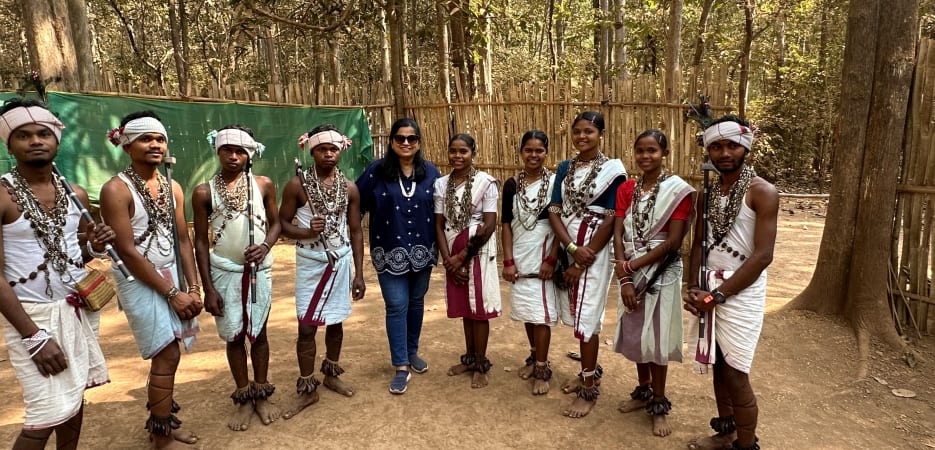
With locals in Bastar
Bastar tribal tourism: Tribal culture of Bastar
Bastar is one of those few places in India where one can still experience local tribal culture, all the while being welcomed with warmth by the tribal communities.
Bastar is home to several indigenous tribes, including the Maria, Murai, Dhurva and Halba communities. All through the year, the tribal haats are abundant, offering travellers an interesting experience exploring the local markets, local food and the homemade spirits such as Mahua, Landa and Sulfi, served in Mahua Donis. Visiting a tribal haat is one of the best ways to immerse yourself in the region and its rich local culture.
Is Bastar safe for travellers to visit?
If there’s one thing that can be said at the end of this Bastar Chhattisgarh travel guide is that it is indeed safe to visit Bastar. Responsible ecotourism has paved the way for tourism revenue to flow into the region and the locals benefit from it. Please follow your local tour leader’s instructions and be mindful. Whether you are travelling solo or with family and friends, Bastar is a great choice! Just remember to be respectful at all times – during your interactions with the locals, while taking photographs and while witnessing the local rituals / performances.
If you want to know more about travelling to Bastar, learning about Bastar tribal tourism or Dandakaranya travels, check out my co-founder Akanksha’s post on her experiences in Bastar and Dandakaranya on a solo-trip.
Now that you have the power of information in your hands, it is time to plan your Bastar trip.
And if I may add.. Don’t just visit Bastar, Belong!
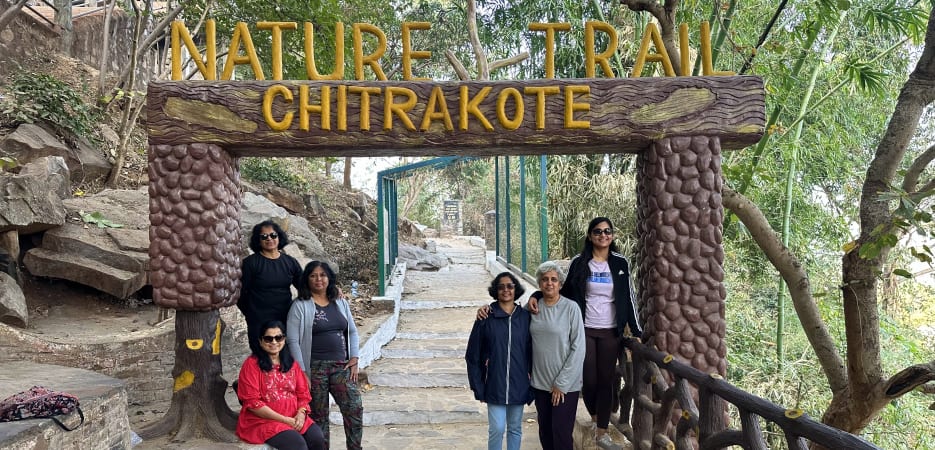
All set for a nature trail...
Travel guide compiled by Malini Gowrishankar, Founder of F5 Escapes.